A coin created improperly during its initial production, unintentionally missed during quality checks, and subsequently put into circulation at a later time.
The face value of a coin is the amount of money it is legally acknowledged to be worth. One can use coins for this value in transactions or exchanges. For instance, a dime has a face value of 10 cents. In contrast, its value to collectors varies depending on the type of metal it is composed of.
Field refers to the space on a coin's surface that isn't adorned with any motif or writing. It's like the blank canvas of the coin without decoration or words.
The grade is a way to show how much a coin has been used and become worn out from being in circulation. Basically, it’s a score that tells us how much the coin has been used in everyday transactions.
Hairlines are tiny traces or insignificant scratches on coins that appear after cleaning or polishing them.
Imagine a coin's design being pushed and pressed into the surface instead of popping out. This pressed-in part is the incuse, opposite the raised design we usually see on coins.
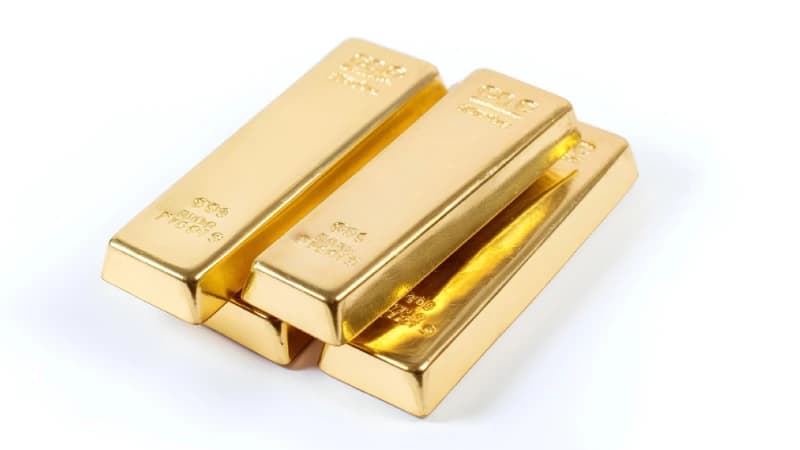
An ingot is a chunk of molten metal poured into a customized mold to form a particular shape. These shaped metal pieces are widely used to make coins and minted bars.
The unique words imprinted onto a coin, medal, or bar give it a distinct message or meaning and make it more genuine.
Intrinsic value is the present worth in the market of the valuable metal in a coin.
A rare date needed to finish a collection, often more challenging to locate and afford.
Legal tender refers to the official currency issued by a government, including coins, dollar bills, or other forms of money accepted as valid payments for goods and services within a country's borders. It's similar to the government-approved special money that everyone may use in ordinary transactions.


Affiliations


Copyright BOLD Precious Metals 2026